Physical Therapy Glossary
ABC of Physical Therapy
Hi, my name is Isabelle Séguin, and I live in Boisbriand. This is already my second year studying at College Montmorency in the Physical Therapy program, and I decided to create a little glossary to help other students who are in the same field of study or simply wants to learn more about the terms we use daily in this profession. Hopefully this will help you get a better understanding of our dialogue if you need our service once in your life. Here I will explain some words that can be a bit tricky to fully understand and give example on how to use it.
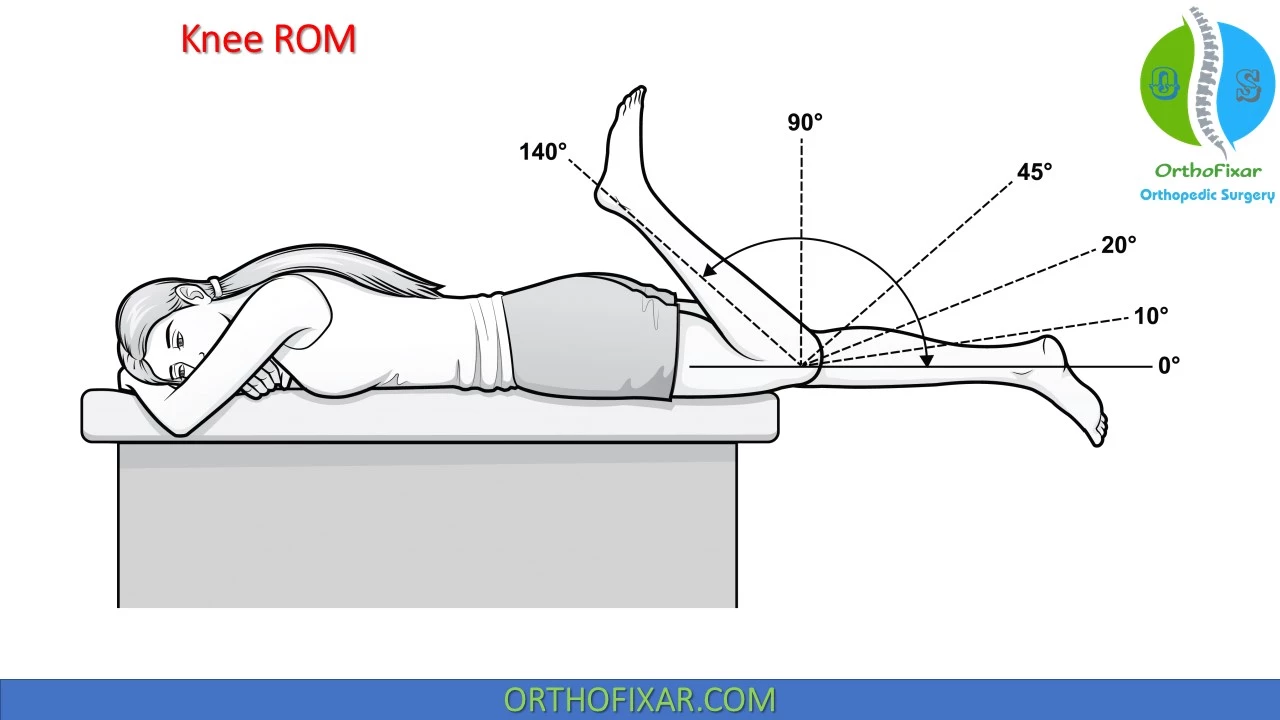
- rom - range of motion
- noun - abbreviation
- It’s the distance your arms, legs and spine can do with each movement which allows you to move freely.
- Example: You need a ROM above the standard if you want to be a gymnast.
- fr: aa - amplitude articulaire
- adl
- noun - abbreviation
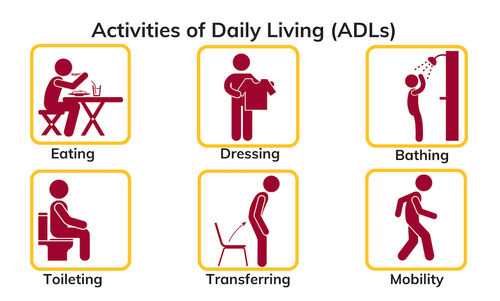
- It’s a category where we regroup task like keeping your hygiene, moving freely, eating alone and dressing yourself. This term is used to describe easily if someone can take care of themselves or not.
- Example: When you’re enable to do your ADL, it’s usually a sign that you need a more significant help.
- fr: avq- activités de la vie quotidienne
- iadl
- noun - abbreviation
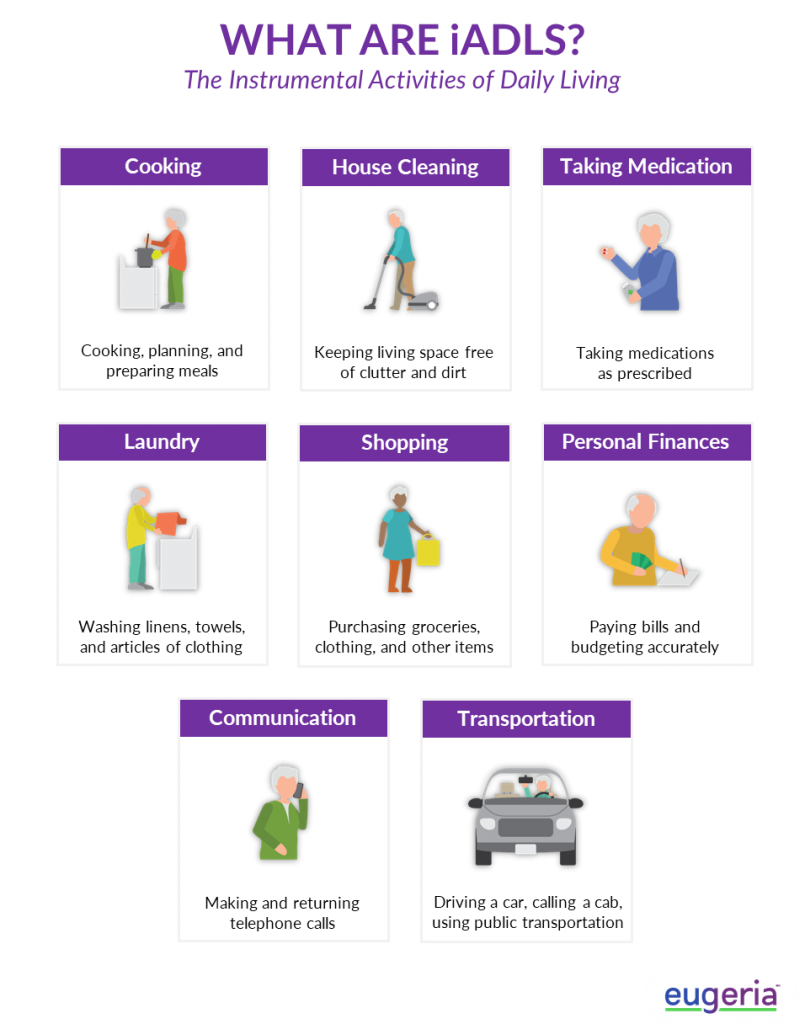
- It’s a category where we regroup the task such as cleaning, shopping, cooking and more to help us understand if someone needs to help around the house.
- Example: I am unable to do my IADL so I get a lot of help from my husband.
- fr: avd- activités de la vie domestique
- antagonist
- noun
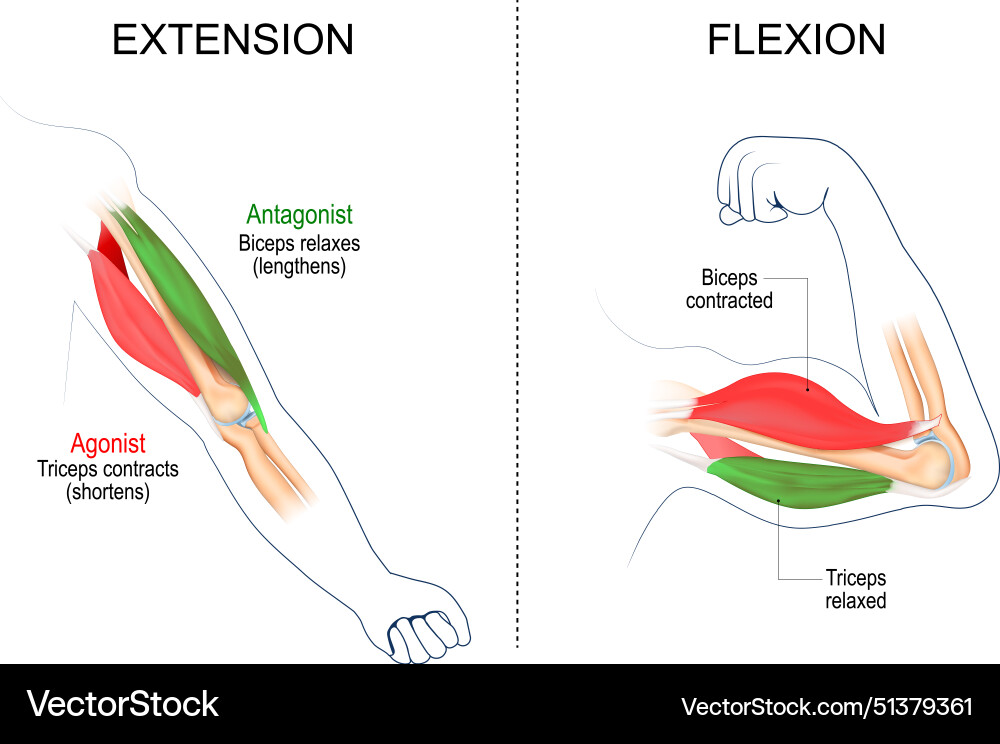
- It’s the term we use to describe the muscle who’s doing the opposite movement of the one we want.
- Example: The antagonist of the elbow flexion is the triceps.
- fr: antagoniste
- agonist
- noun
- It’s the term we use to describe the muscle who’s doing the movement we want to do.
- Example: If a want to do an elbow flexion, I need to contract my biceps.
- fr: agoniste
- eccentric
- adjective
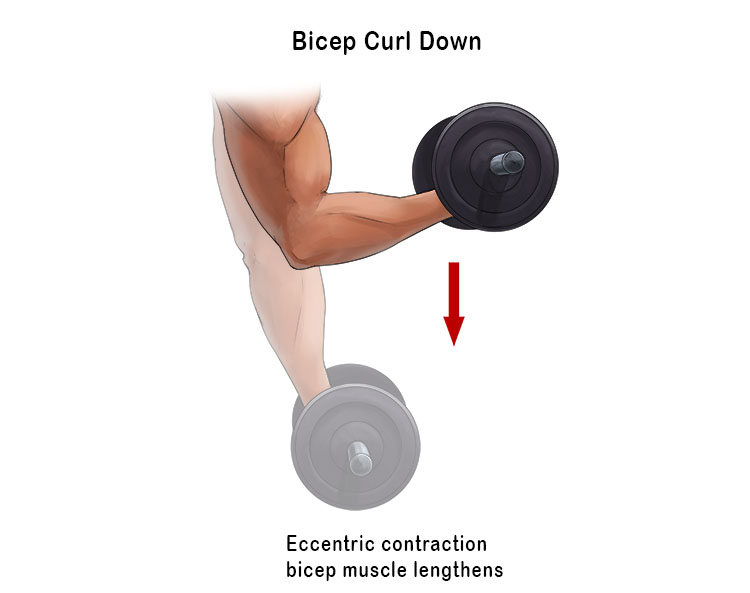
- This is a type of contraction where you’re resisting the gravity, you’re controlling your descent most of time or you are doing the opposite movement of what the muscle was created for. You can also see it has the muscle fibers getting further apart.
- Example: If you work your muscles in eccentric, you will gain strength faster.
- fr: excentrique
- isometric
- adjective
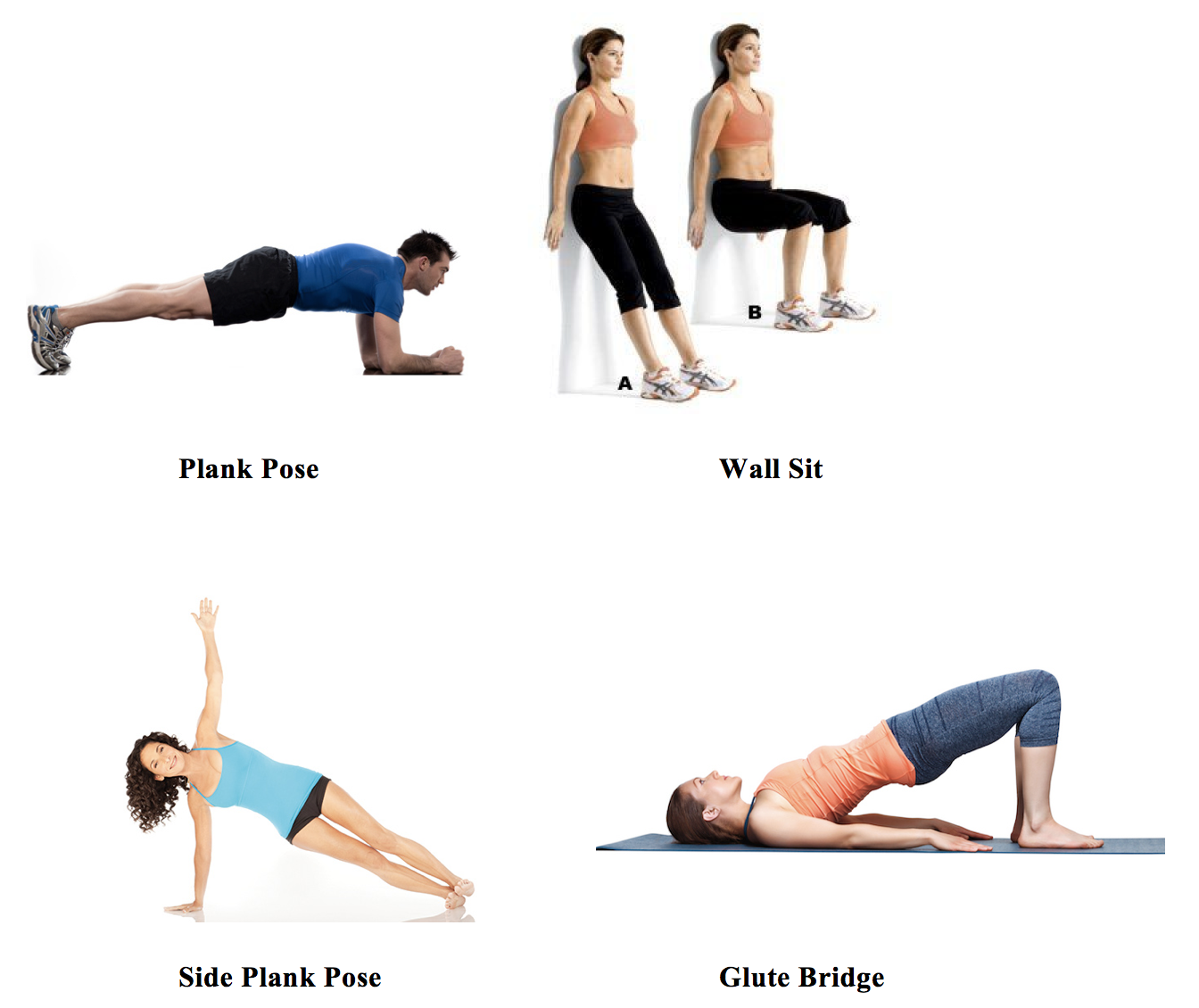
- This is a type of contraction where you need to stay still so no movement should be seen.
- Example: When you’re doing the plank, you’re working your muscles in isometric.
- fr: isométrique
- concentric
- adjective
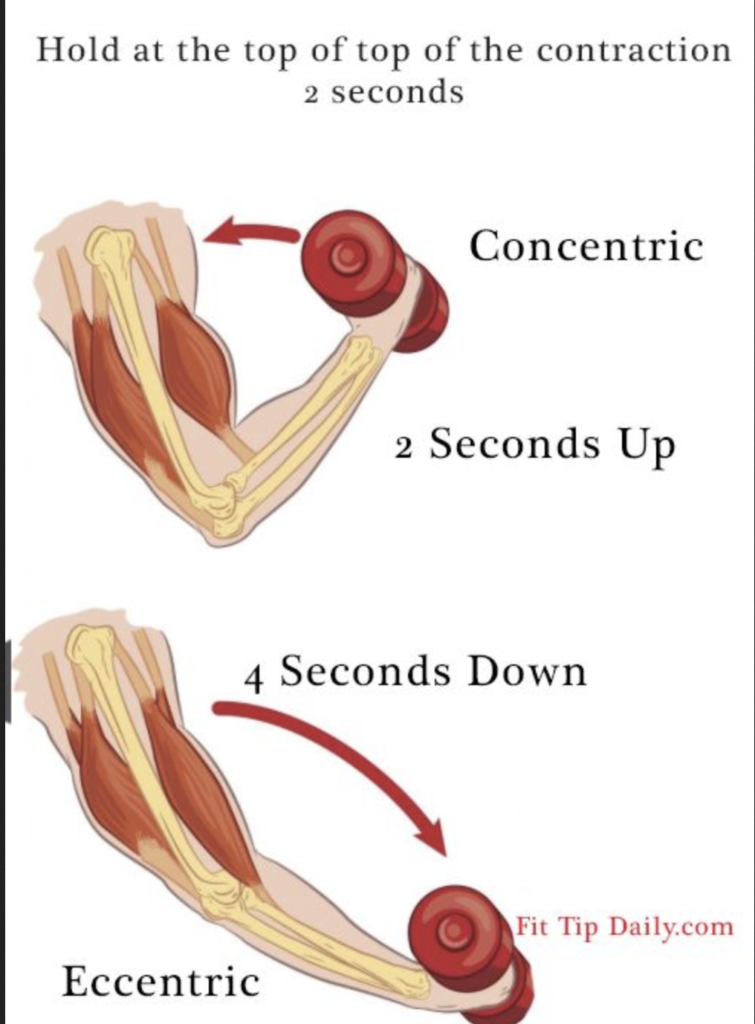
- This is a type of contraction where you are moving against the gravity so you’re going up or you are doing the principle movement the muscle was created for. You can also see it has the muscle fibers getting closer.
- Example: It’s a lot easier to work in concentric since it’s the principal strength of the muscles.
- fr: concentrique
- goniometer
- noun
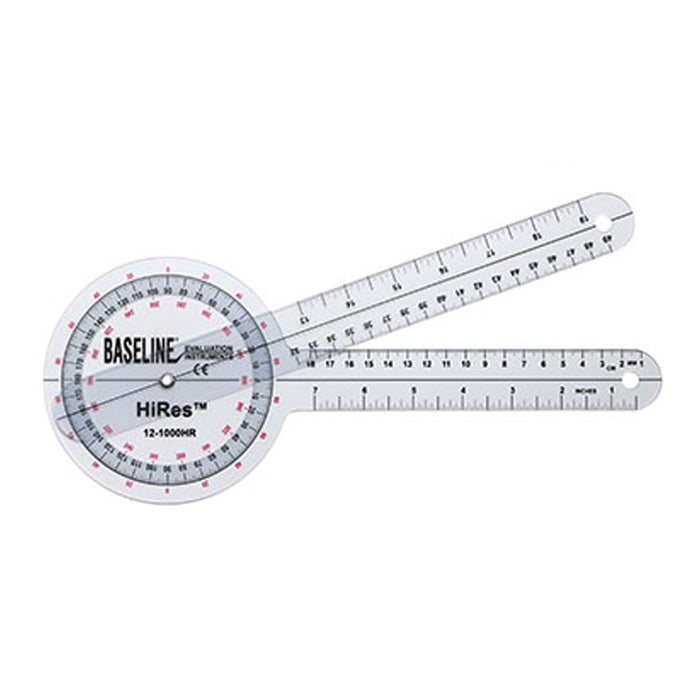
- This is like a giant protractor but for your body so it can indicate how many degrees of movement do you have.
- Example: Using a goniometer isn’t always easy since you need to be able to see what is the degree.
- fr: goniomètre
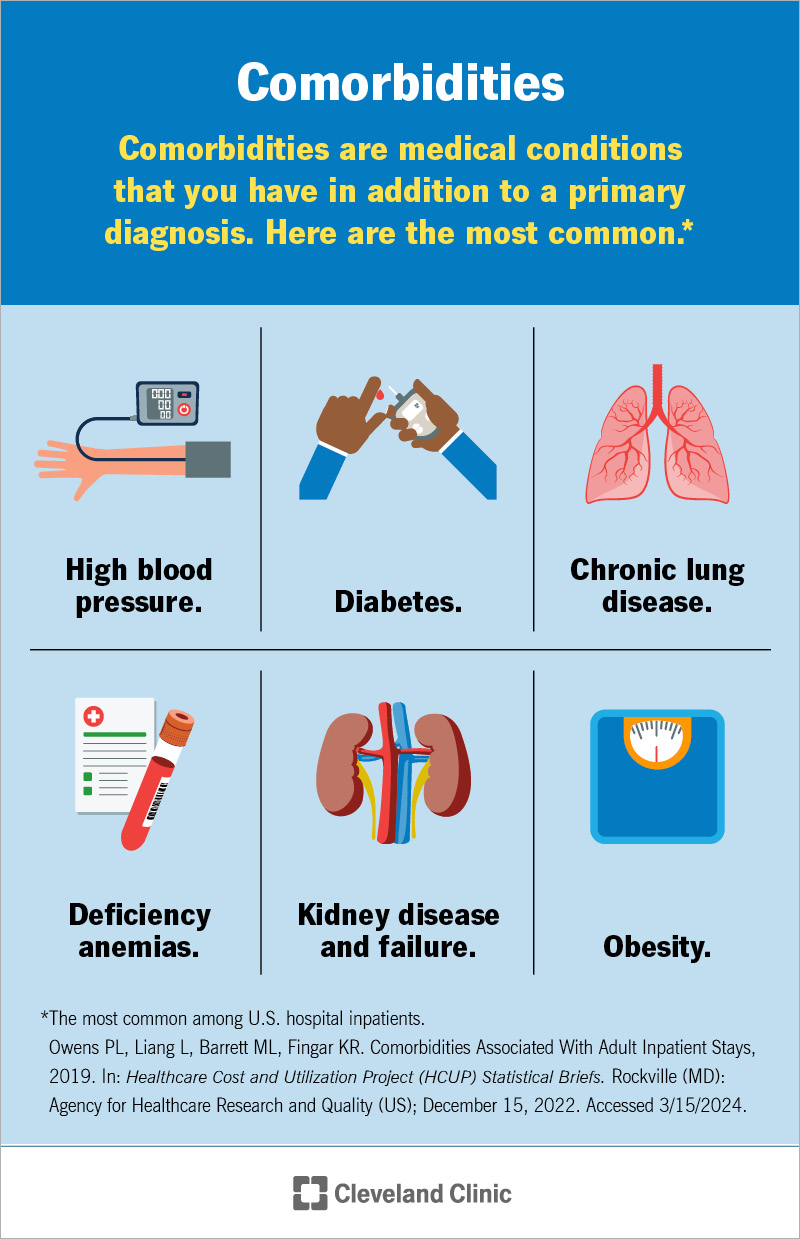
- comorbidity
- noun
- Comorbidity is a term to regroup all of the other problems that your patient have but that you are not treating such as diabetes or HBP.
- Example: In LTCC most of the patients have at least ten to twelve comorbidities.
- fr: comorbidité - conditions associées
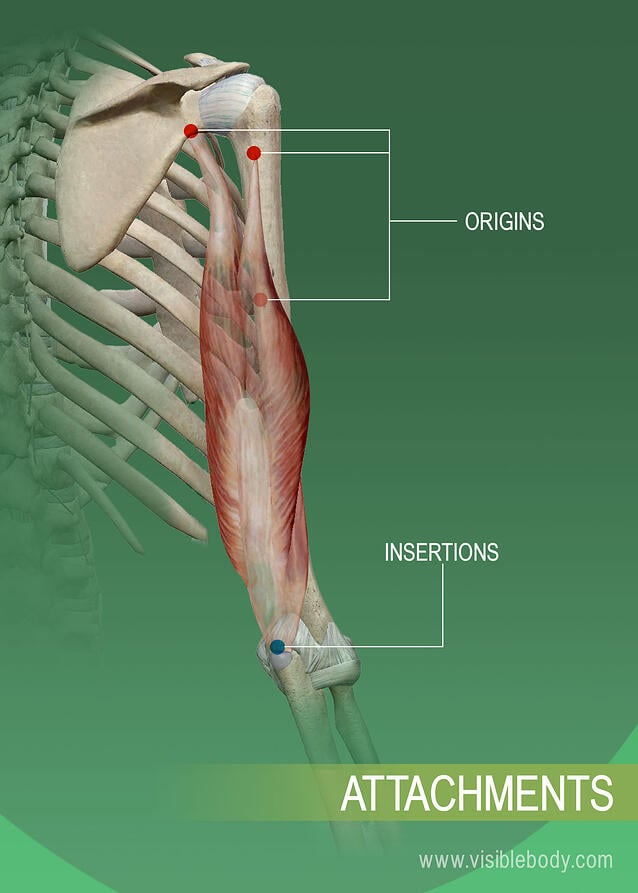
- attachment
- noun
- Attachment is where the muscle is “ glued “ to the body to be able to make it move. It’s usually on the bones.There’s the origin which is the most close part to the body and there’s the insertion who is at the extremity.
- Example: We need to know every muscles attachments of the exam.
- fr: insertion
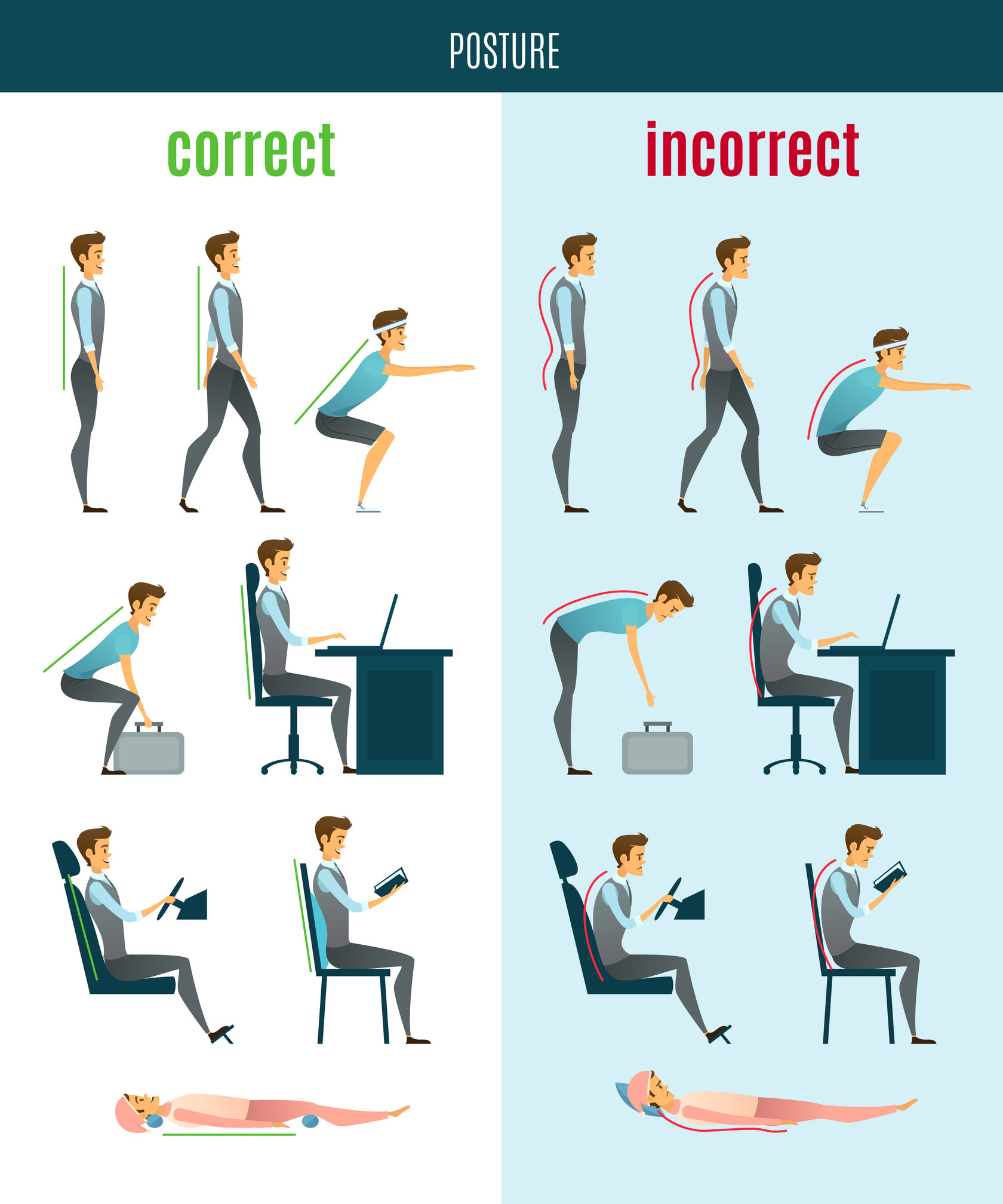
- ergonomic
- adjective
- Being ergonomic means that during work you are limiting the stress on your joints and supporting your body adequately by having a good posture which will prevent future injuries.
- Example: My teachers are always reminding us to keep an ergonomic posture during our applications so we don’t get hurt.
- fr: ergonomique
- antalgic posture
- noun
- This is a position the patient adopt when he or she is in pain to lower it but most of the time this is done subconsciously.
- Example: I often see my patients arrive at their appointments in an antalgic posture.
- fr: position antalgique
- scaption
- noun
- This is a combination of the flexion and the abduction of the shoulder which results in a diagonal movement.
- Example: The scaption is usually used when there is a restriction in the movement of flexion or abduction.
- fr: scaption
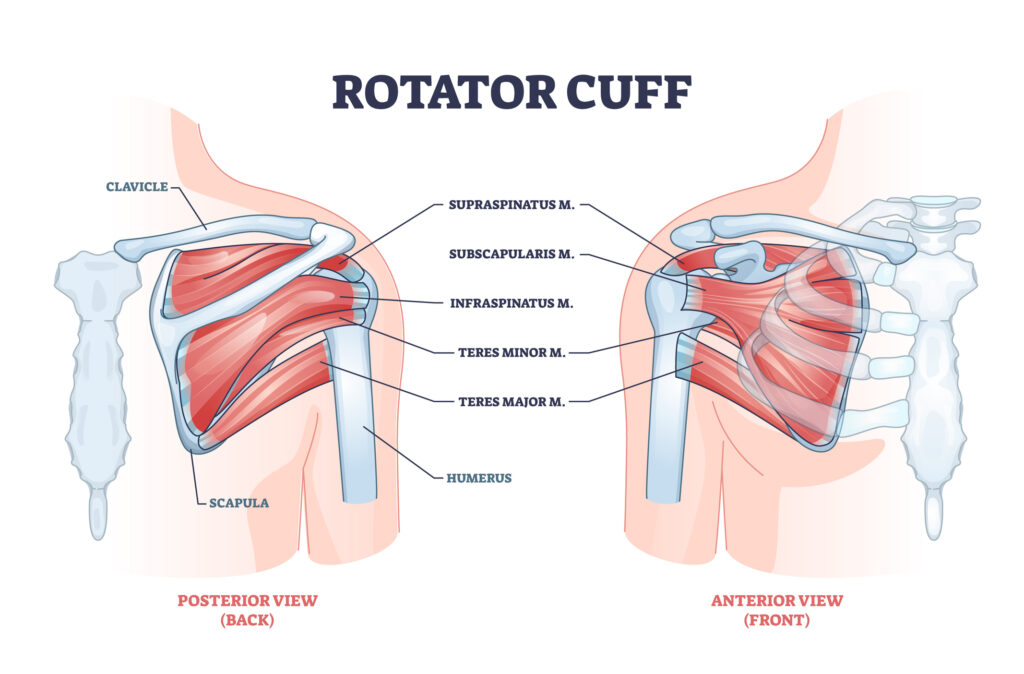
- rotator cuff
- noun
- It’s a group of the principal muscle in charge of the stability of the shoulder. We can find the supraspinatus, infraspinatus, teres minor, and subscapularis in this group.
- Example: The rotator cuff can easily be affected if we are not careful when we fell to the ground.
- fr: coiffe des rotateurs
- labrum
- noun
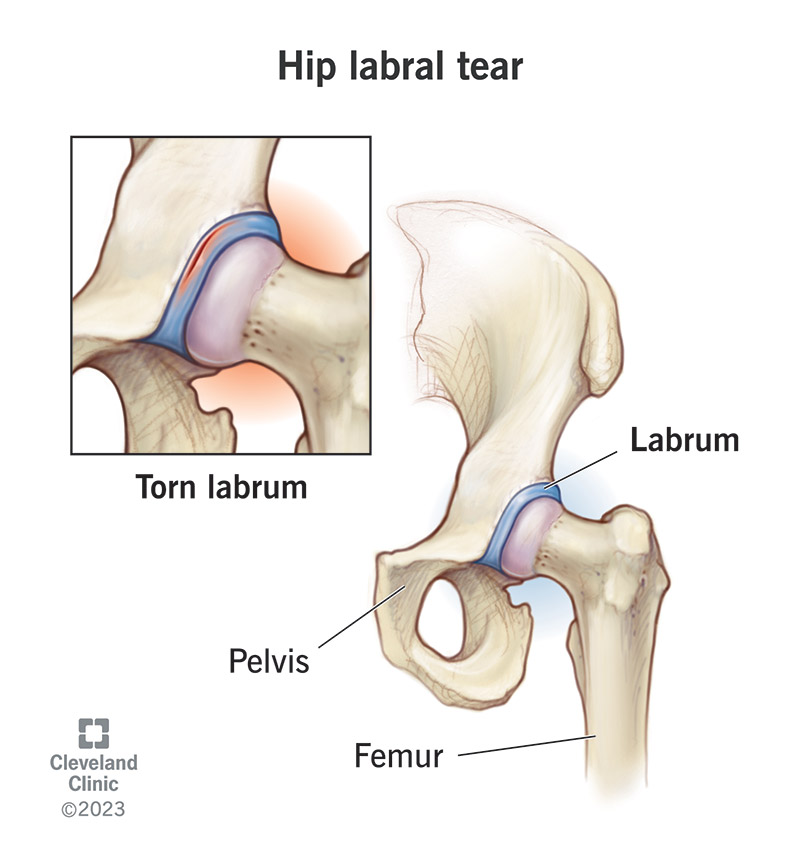
- A labrum is like a ring of protection around the principal articulation which helps having a better contact surface to keep the bones together.
- Example: Tearing your labrum can bring a major ROM problem.
- fr: labrum - bourrelet
- end-feel
- noun
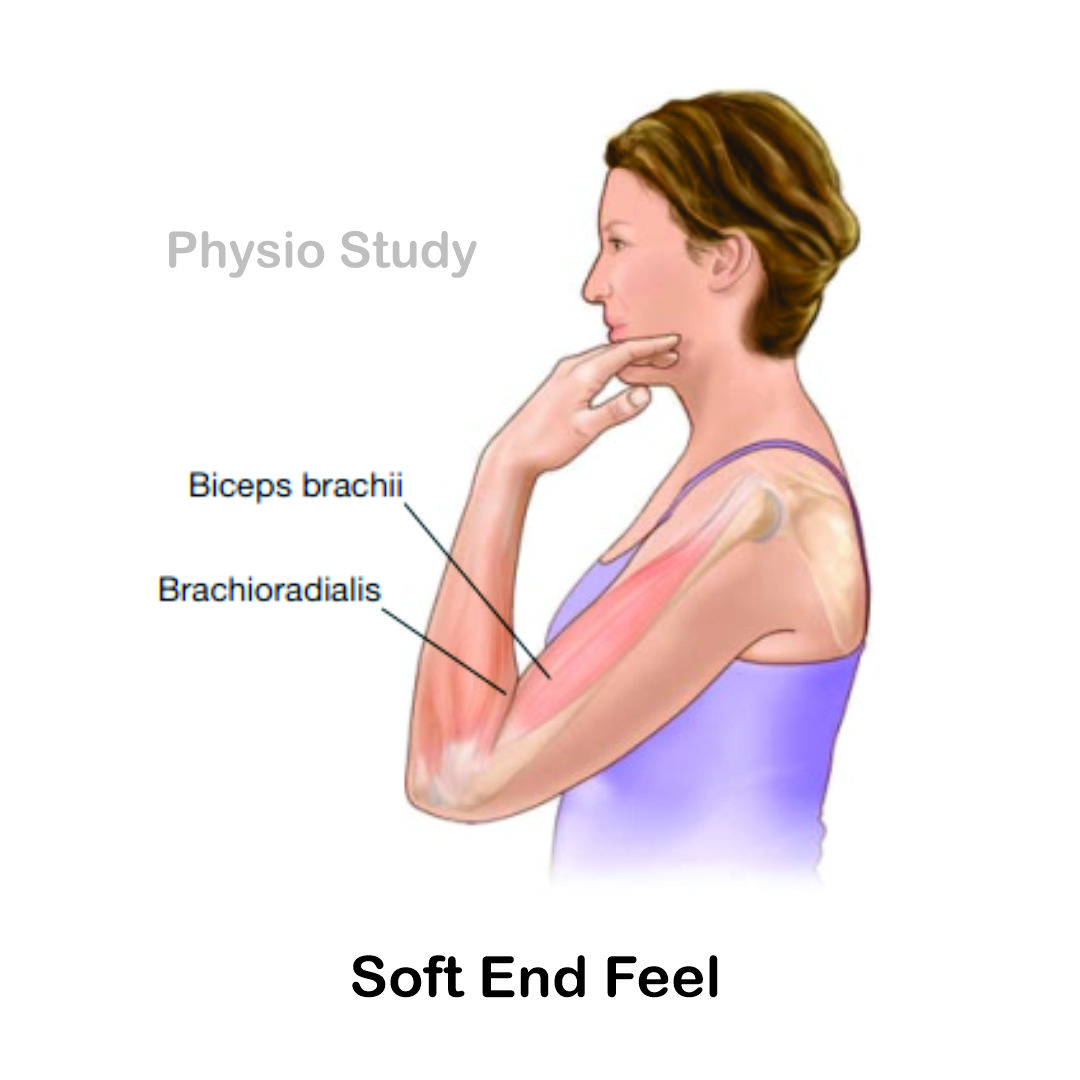
- This is the term we are using to design which structure is stopping your movement. It can be bone to bone, soft (tissues approximations) or firm (no more stretch) in normal cases.
- Example: The end-feel of your elbow extension is bone to bone since we can hear those two get in contact.
- fr: sfc - sensation fin de course
- tempo
- noun
- This term explains in how much time you will have to do the movement asked, for example go up in 4 sec, keep your arm up for 2 sec and come down in 4 sec.
- Example: For this exercise, you will use a tempo of 2-3-2.
- fr: tempo

- muscle strain
- noun
- A muscle strain usually takes place after a unexpected stretch. This is often seen with athletes after a wrong move which leads to a rupture.
- Example: I had a muscle strain during my football match.
- fr: claquage musculaire

- loss of independence
- noun phrase
- It’s the most frequent case of consultation in our field since it’s a natural decline of your ability to function into your daily life.
- Example: When your loss of independence get severe you are usually sent to a LTCC.
- fr: perte d’autonomie

Commentaires
Publier un commentaire